
BlogStarting out
How to start an NDIS business in Australia in 2026–27
How to start an NDIS business: choose your supports, set up an ABN, decide whether to register, get paid on time and find your first participant.

Written by Ajay Singh
Published 10 November 2026 · Last updated 10 November 2026 · 8 min read
Quick answer: How to start an NDIS business comes down to three things: choose the supports you're qualified to deliver, get a free ABN, and check whether those supports must be registered. For most supports you can start as an unregistered sole trader and work with plan-managed and self-managed participants, then register later. Registration means paying for an audit and takes months, and the Government will start expanding mandatory registration from 1 July 2027.
Before you start an NDIS business: is it right for you?
An NDIS business isn't easy money. It's a business like any other, with compliance, admin, staff and complaints, and the people you support trust you with their daily lives.
The numbers back that up. In a National Disability Services survey of 290 disability organisations, 48% reported a loss or deficit in 2024–25.
If you've worked in the sector as a support worker, nurse or support coordinator, you already know what the job looks like. If you haven't, we'd suggest working for an established provider first. You learn how the business runs while you're paid, and you can see whether it suits you before you spend your own money.
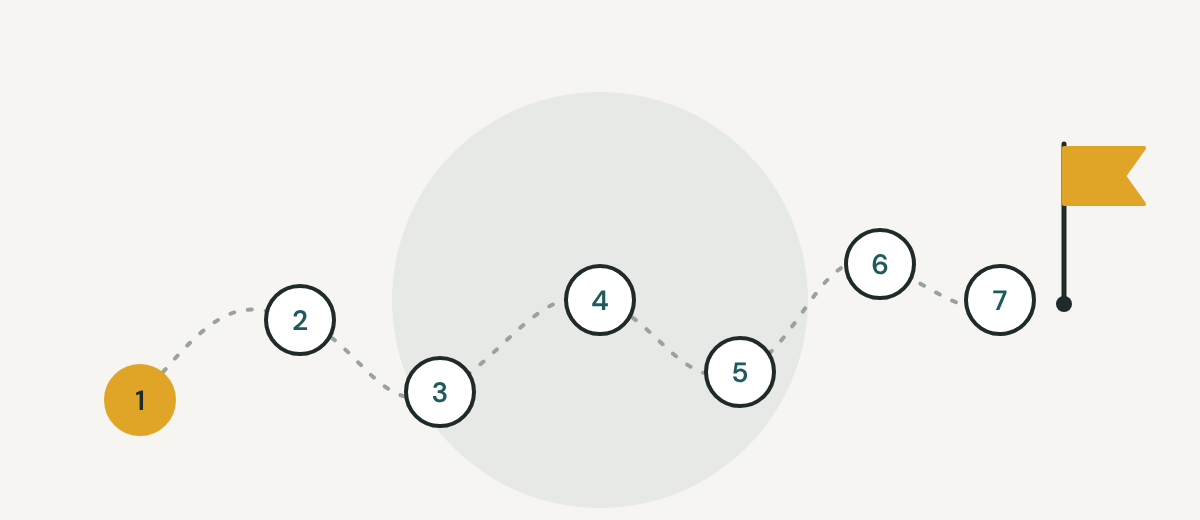
Step 1: choose your supports and who you'll support
Start with the supports you're qualified and experienced to deliver, the people you want to support and the area you'll cover.
This one decision shapes everything after it: whether you must register, what an audit would involve, what insurance you need and what you can charge. A sole trader offering community access in one region has a very different set-up from a team delivering personal care across a city.
Step 2: set up the business basics
- ABN. It's free to register for an Australian Business Number through the Australian Business Register. If a website asks you to pay for one, you're on the wrong site.
- Business name. Registering a business name with ASIC costs $47 for 1 year or $108 for 3 years. You don't need one if you trade as a sole trader under your own first name and surname. A registered business name doesn't give you exclusive rights to it; that needs a trade mark.
- Business structure. Most people start as a sole trader. As a sole trader you're personally liable for the business's debts, and assets in your name can be used to pay them. Talk to your accountant about whether that suits you.
- Insurance. Public liability and professional indemnity insurance are worth having before your first participant starts. Get your own quotes.
- GST. Many NDIS supports can be GST-free, but only when conditions are met, including a written agreement that says the support is in the participant's plan. Ask your accountant whether and when you need to register for GST.
Open a separate bank account from day one. It makes your bookkeeping, and any audit later, much easier.
Step 3: decide whether to register
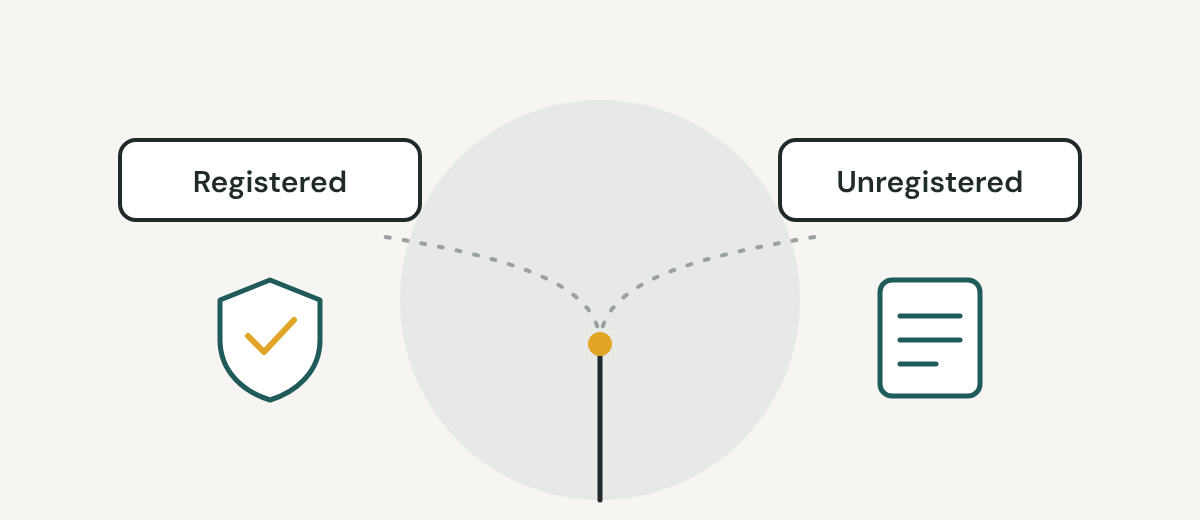
You don't have to be a registered NDIS provider to start delivering most supports. You must be registered with the NDIS Quality and Safeguards Commission (NDIS Commission) to provide:
- supports to participants whose funding is managed by the NDIA
- supported independent living (SIL)
- specialist disability accommodation (SDA)
- specialist behaviour support
- plan management
- NDIS digital platform services
- supports that use regulated restrictive practices
Unregistered providers can work with participants who self-manage their funding or use a plan manager.
Unregistered doesn't mean no rules. The NDIA says both registered and unregistered providers must follow the NDIS Code of Conduct, and handling participants' health information brings privacy obligations too (see Step 5).
More supports will need registration from 1 July 2027. The Government says expanded registration will begin rolling out from that date for supports it considers high risk, such as personal care, daily living supports and supports in closed settings. It will publish the list, and all providers in scope must be registered by December 2030. Separately, most providers will need to enrol with the NDIA from 1 July 2027.
In our view, plan for registration even if you start unregistered. Keep simple written policies from day one, so you're not starting from scratch later.
Step 4: if you register, what it involves and costs
You apply to the NDIS Commission online. The steps are:
- Apply online, choosing the supports you'll deliver and giving details of your organisation and key personnel.
- Get audited by an independent auditor from the Commission's approved list.
- The Commission reviews your application and assesses your suitability, including your key personnel.
- The Commission tells you whether your application is approved or refused.
You must complete your application within 60 days of starting it, or it's deleted and you have to start again.
The Commission's application page lists no application fee. The main cost is the auditor, who sets their own price, and the Commission recommends getting more than one quote.
There's no fixed timeframe either. It depends on the size of your organisation and how many supports you deliver, and how complex they are.
Before you apply, workers in risk-assessed roles need a valid NDIS worker screening clearance. Check the Commission's application page for the current portal and login before you start.
Step 5: worker screening, privacy and policies
Worker screening
Unregistered providers aren't legally required to have their workers screened, but the NDIS Commission recommends that all of them hold an NDIS worker screening clearance. Participants, families and plan managers will usually expect it too.
Each state runs its own check. In Victoria it costs $139.20 and is valid for 5 years across Australia. Victoria says processing can take 3 to 12 weeks, and up to 6 months in busy periods, so apply early.
Privacy
The Office of the Australian Information Commissioner (OAIC) says the Privacy Act covers disability service providers that handle health information, even if they're a small business. Keep participant information secure from day one, including what you type into apps and AI tools.
Policies and complaints
If you're unregistered, nobody audits your policies, but you still have to follow the NDIS Code of Conduct. In our view, a clear, fair way to handle complaints is part of doing that well, and families and plan managers will expect one. Simple policies on privacy, complaints, incidents and gifts make life easier now and save work if you register later.
Step 6: know your prices and get paid on time
The NDIA sets price limits for many supports, published in the NDIS Pricing Schedule. Plan managers can't pay invoices above the price limit, even when the participant uses an unregistered provider. Check the limits before you set your rates.
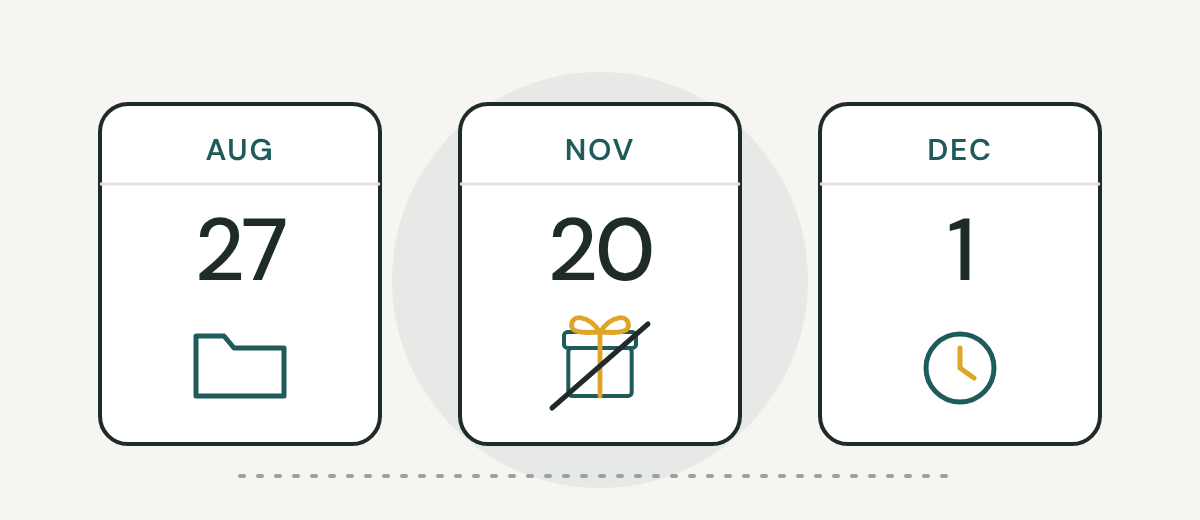
Three dates to know:
- Since 27 August 2026: you must keep records about each claim, and the support behind it, for 7 years from the date of the claim.
- From 20 November 2026: you can't offer gifts or benefits to win or keep participants. See our guide to the NDIS inducements ban.
- From 1 December 2026: claims must be made within 90 days of the support, down from 2 years.
The 90-day limit counts from the day you deliver the support. If a plan manager pays you, their processing time comes out of your 90 days, so invoice within days, not weeks.
Step 7: find your first participant
The first participant is the hardest part, because you have no track record yet.
- Look credible online. In our experience, support coordinators and families check your website and socials before they get in touch. A simple site that says what you do, which suburbs you cover and how to reach you won't bring participants on its own, but a weak one can quietly lose you referrals. Here's how we build websites for NDIS providers.
- Be easy to find. Set up a free Google Business Profile and keep it current.
- Build relationships. Go to local disability events, and get to know support coordinators in your area.
- Never pay for referrals. From 20 November 2026, paying someone to send you participants is treated as a kickback under the new law.
Your start-up checklist
- Be honest with yourself about the workload and the compliance.
- Choose your supports, who you'll support and your area.
- Get your ABN, a business name if you need one, insurance and a separate bank account.
- Check whether your supports must be registered now, and plan for July 2027.
- Get your worker screening clearance and set up simple policies, including privacy and complaints.
- Learn the price limits, invoice fast for the 90-day rule, and keep records for 7 years.
- Get your website and Google Business Profile ready before you need referrals.
If you want your policies right from the start, our policy writing service for NDIS providers writes them in plain English for the new NDIS rules. Not sure where to begin? See the ways to start: a free week of posts, a free website demo, or a $166 check.
Common questions
Do I need to be registered to start an NDIS business?
Not for most supports. You can work with self-managed and plan-managed participants while unregistered. You must be registered to work with NDIA-managed participants, or to deliver SIL, SDA, specialist behaviour support, plan management, NDIS digital platform services or regulated restrictive practices.
How much does NDIS registration cost?
The NDIS Commission's application page lists no application fee. You pay an approved auditor, who sets their own price, so get more than one quote.
How long does NDIS registration take?
There's no fixed timeframe. It depends on your organisation's size and the number and complexity of the supports you deliver. Once you start an application, you have 60 days to complete it.
Can I start an NDIS business as a sole trader?
Yes. Many providers start as sole traders with an ABN. You can trade under your own name without registering a business name, but you're personally liable for the business's debts, so talk to your accountant first.
Do I need an NDIS worker screening check if I'm unregistered?
It isn't legally required for unregistered providers, but the NDIS Commission recommends it, and participants, families and plan managers will usually expect it. In Victoria it costs $139.20 and lasts 5 years.
This is general information, not legal or financial advice. NDIS rules are changing quickly, so check the official links below before you act.
Sources
- NDIS Commission: About registration (who must register) (opens in a new tab)
- NDIS Commission: Apply for registration (opens in a new tab)
- NDIS Commission: Worker screening for unregistered providers (opens in a new tab)
- NDIS: What is a provider? (registered and unregistered providers, Code of Conduct) (opens in a new tab)
- NDIS: Pricing arrangements (NDIS Pricing Schedule 2026–27) (opens in a new tab)
- NDIS: Travel, claiming rules, gap fees and other costs (price limits and plan managers) (opens in a new tab)
- Department of Health, Disability and Ageing: Information for NDIS providers on the changes (July 2026) (opens in a new tab)
- Federal Register of Legislation: NDIS Amendment (Securing the NDIS for Future Generations) Act 2026 (record keeping, 90-day claims, inducements) (opens in a new tab)
- business.gov.au: Register for an ABN (opens in a new tab)
- business.gov.au: Register your business name (opens in a new tab)
- ASIC: Register a business name (opens in a new tab)
- business.gov.au: Sole trader or company? (opens in a new tab)
- ATO: GST and the National Disability Insurance Scheme (opens in a new tab)
- Victorian Government: NDIS Worker Screening Check (opens in a new tab)
- OAIC: What is a health service provider? (opens in a new tab)
- National Disability Services: State of the Disability Sector Report 2025 (opens in a new tab)
Three ways to start. All three are free.
Pick the one you need help with: social media, your website or your policies.
More guides
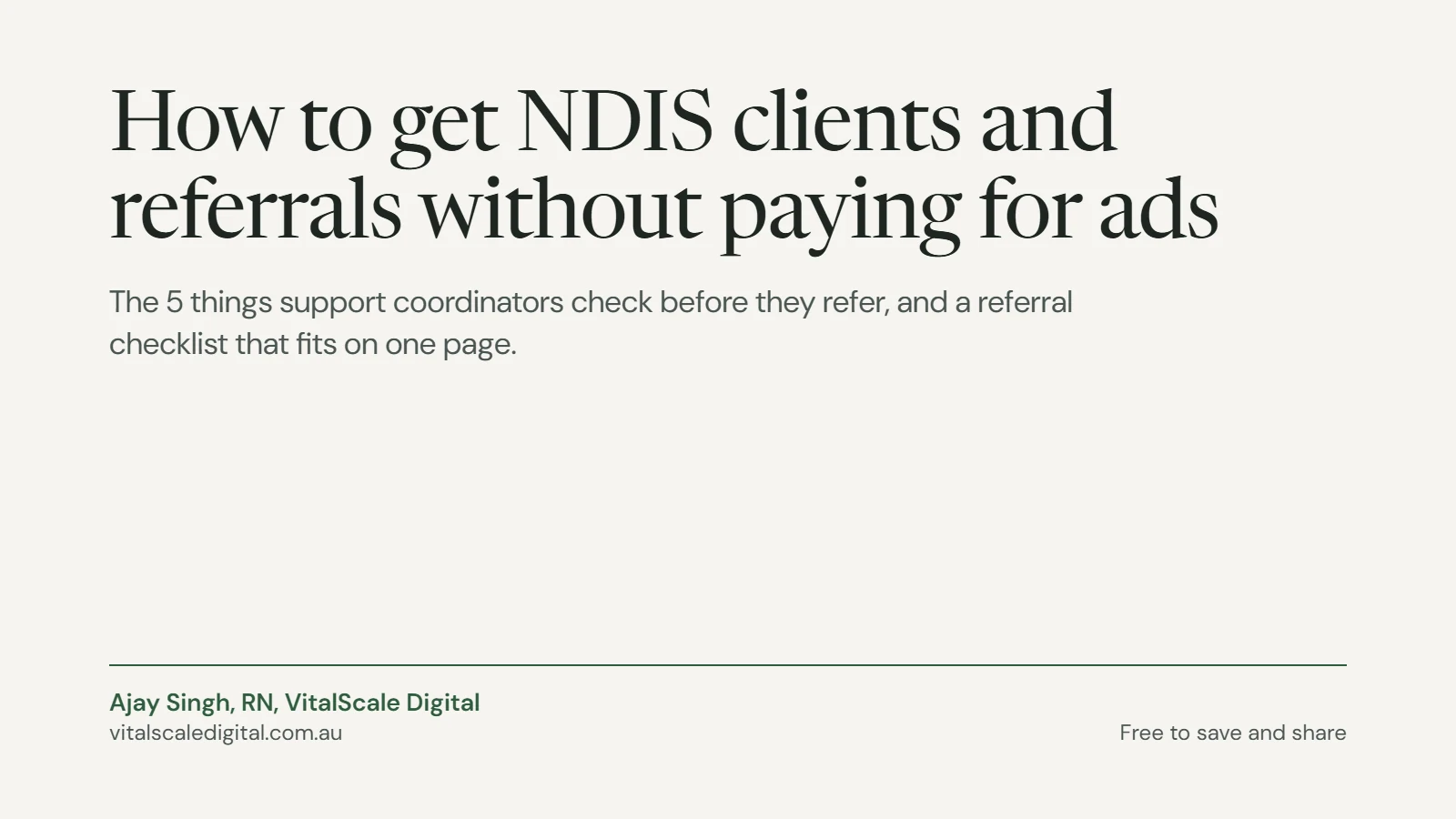
How to get NDIS clients and referrals without paying for ads
How to get NDIS clients without ads: the 5 things support coordinators check before they refer, and a one-page referral checklist.
17 November 2026
NDIS inducements ban: can providers still give gifts?
From 20 November 2026, NDIS inducements are banned. What providers can still give, what's never allowed, referral payments and what to check now.
3 November 2026